


 |
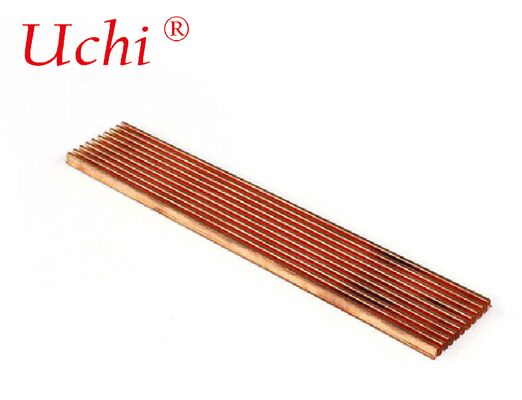
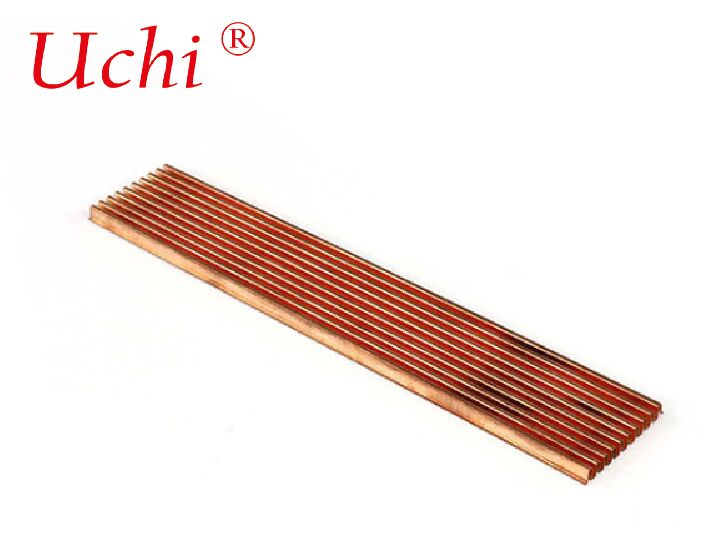
ช่องระบายความร้อนปีกพับด้วยทองแดง ใช้ความสามารถในการนําความร้อนที่สูงกว่าของทองแดง
รายละเอียดสินค้า:
| สถานที่กำเนิด: | ตงกวน, กวางตุ้ง, จีน |
| ชื่อแบรนด์: | Uchi |
| ได้รับการรับรอง: | SMC |
| หมายเลขรุ่น: | แผ่นระบายความร้อน |
การชำระเงิน:
| จำนวนสั่งซื้อขั้นต่ำ: | 100 ชิ้น |
|---|---|
| ราคา: | 1300-1500 dollars |
| เวลาการส่งมอบ: | ไม่ จำกัด |
| เงื่อนไขการชำระเงิน: | T/T, เพย์พาล, เวสเทิร์นยูเนี่ยน, |
| สามารถในการผลิต: | 50000000 ชิ้นต่อเดือน |
|
ข้อมูลรายละเอียด |
|||
| วัสดุ: | ทองแดง | ขนาด: | 15*2.8*0.3 ซม |
|---|---|---|---|
| น้ำหนัก: | 0.09 กก | เทคโนโลยี: | ตอกครีบ |
| คุณสมบัติ: | ยืดหยุ่นและปรับได้ | การรักษาพื้นผิว: | ทู่ |
| พลังความเย็นความร้อน: | 45W | ||
| เน้น: | เครื่องระบายความร้อนปีกพับทองแดง,แผ่นระบายความร้อนด้วยของเหลวพร้อมการรับประกัน,ระบบระบายความร้อนแบบสูง |
||
รายละเอียดสินค้า
ฮีทซิงค์ครีบพับทองแดงสำหรับรูปทรงต่างๆ
พารามิเตอร์ผลิตภัณฑ์ของฮีทซิงค์ครีบพับทองแดงแบบกำหนดเองสำหรับรูปทรงต่างๆ
วัสดุ: ทองแดง
ขนาด: 15*2.8*0.3 ซม.
น้ำหนัก: 0.09 กก.
เทคโนโลยี: ครีบปั๊มขึ้นรูป
คุณสมบัติ: ยืดหยุ่นและปรับได้
การเคลือบพื้นผิว: การทำให้พาสซีฟ
กำลังระบายความร้อน: 45W
ข้อได้เปรียบของผลิตภัณฑ์ของฮีทซิงค์ครีบพับทองแดงแบบกำหนดเองสำหรับรูปทรงต่างๆ
ฮีทซิงค์ครีบความหนาแน่นสูง ฮีทซิงค์ครีบซ้อน การออกแบบฮีทซิงค์แบบผสมผสานทำให้สามารถผลิตโครงสร้างครีบแบบหนาแน่นขนาดใหญ่สำหรับความต้องการฮีทซิงค์กำลังสูง ความเป็นไปได้ไม่จำกัดสำหรับความยาว ความกว้าง ความสูง ความหนาของครีบ และระยะห่างของครีบ กระบวนการอัดรีดช่วยให้ครีบอะลูมิเนียมจำนวนมากถูกยึดติดทางกลเข้ากับแผ่นฐานอะลูมิเนียมคู่พร้อมกันโดยไม่ต้องใช้กาว แนวคิดในการเพิ่มประสิทธิภาพของครีบโดยการแบ่งครีบระหว่างแผ่นฐานสองแผ่นมีต้นกำเนิดมาจากการอัดรีดแบบกลวงชิ้นเดียว รูปทรงมาตรฐานที่มีอยู่ครอบคลุมเกือบทุกความสูง 0.25 นิ้ว ตั้งแต่ 1.00 นิ้ว ถึง 8.00 นิ้ว ที่ระยะห่างของครีบประมาณ 0.10 นิ้ว และอัตราส่วนภาพสูงสามารถสูงถึง 50:1
ดังนั้น ฮีทซิงค์แบบอัดรีดที่เชื่อมต่อกันด้วยครีบความหนาแน่นสูงจะเป็นตัวเลือกที่ชาญฉลาด
ข้อมูลจำเพาะของวัสดุ
- : โดยทั่วไปคือทองแดงบริสุทธิ์ (C11000/C10200, ทองแดงปราศจากออกซิเจนสำหรับการนำความร้อนสูงพิเศษ); ความหนาของครีบ 0.1–0.4 มม. พับเป็นแถวแบบลูกฟูก/ซิกแซก จากนั้นเชื่อมติดกับฐานทองแดงด้วย การบัดกรี (สุญญากาศ/บรรยากาศ), การบัดกรีด้วยตะกั่ว, หรืออีพ็อกซี่ระบายความร้อนประสิทธิภาพสูง ความหนาของฐานสามารถปรับให้เหมาะสมได้อย่างอิสระ (ทั่วไป 3–20 มม.)การปรับแต่งครีบและรูปทรง
- : ครีบสามารถเป็นแบบยอดแบน ยอดโค้ง ลูกคลื่น ลายเส้น หรือลายก้างปลา ฐานสามารถกลึง CNC ให้เป็นรูปทรงที่ซับซ้อน (รู ช่องโค้ง ขั้นบันได) หลังจากการเชื่อมติดการเคลือบพื้นผิว
- : การชุบนิกเกิล (ทนต่อการกัดกร่อน บัดกรีได้), ออกไซด์สีดำ, การทำให้พาสซีฟ; หลีกเลี่ยงการอะโนไดซ์ (การอะโนไดซ์ทองแดงไม่เสถียรเมื่อเทียบกับอะลูมิเนียม)ข้อได้เปรียบหลักเทียบกับฮีทซิงค์ครีบพับอะลูมิเนียม
การนำความร้อนและการกระจายความร้อนที่ดีขึ้น
- : การถ่ายเทความร้อนจากแหล่งกำเนิดไปยังปลายครีบเร็วขึ้น ซึ่งมีความสำคัญอย่างยิ่งสำหรับสถานการณ์ที่มีความร้อนสูง (≥100 วัตต์/ตร.ซม.)ประสิทธิภาพที่ดีขึ้นที่การไหลเวียนอากาศต่ำ
- : การระบายความร้อนแบบพาสซีฟมีประสิทธิภาพมากขึ้น แม้ว่าอากาศแบบบังคับจะช่วยเพิ่มประสิทธิภาพได้อย่างมากก็ตามความทนทานและการทนต่อการกัดกร่อน (พร้อมการเคลือบ)
- : เหมาะสำหรับสภาพแวดล้อมที่รุนแรง (ใต้ฝากระโปรงรถยนต์, ระบบควบคุมอุตสาหกรรม)ข้อเสีย
- : หนักกว่าอะลูมิเนียมประมาณ 3 เท่า มีต้นทุนวัสดุและกระบวนการสูงกว่าเคล็ดลับการออกแบบและการปรับให้เหมาะสม
ภาระความร้อนและการไหลเวียนอากาศ
- : คำนวณความต้านทานความร้อนที่ต้องการ (Rθja, Rθjc) และจับคู่กับ CFM/LFM ครีบพับหนาแน่นต้องการอากาศบังคับ ≥100 CFM เพื่อหลีกเลี่ยงการหยุดนิ่งของการไหลเวียนอากาศระยะห่างและความสูงของครีบ
- : สำหรับอากาศบังคับ ระยะห่าง 1.0–2.0 มม. สร้างสมดุลระหว่างพื้นที่ผิวและการสูญเสียแรงดัน ครีบที่สูงขึ้น (สูงสุด 60 มม.) ช่วยเพิ่มการพาความร้อน แต่เพิ่มน้ำหนักคุณภาพการเชื่อมติด
- : การบัดกรีแบบสุญญากาศ > การบัดกรีด้วยตะกั่ว > อีพ็อกซี่ สำหรับการสัมผัสทางความร้อน การเชื่อมติดที่ไม่ดีจะสร้างจุดร้อน ตรวจสอบด้วยการถ่ายภาพความร้อนหรือการวัด Rθงบประมาณน้ำหนัก
- : ความหนาแน่นของทองแดง (8.96 กรัม/ซม.³) ต้องการการควบคุมมวลอย่างระมัดระวังในอุปกรณ์การบินและอวกาศ/อุปกรณ์พกพา พิจารณาการออกแบบแบบผสมผสานครีบทองแดง+ฐานอะลูมิเนียมการใช้งาน
ส่วนใหญ่ใช้ในอุปกรณ์อิเล็กทรอนิกส์กำลังสูง: อินเวอร์เตอร์รถยนต์ EV, CPU/GPU เซิร์ฟเวอร์, เครื่องขยายสัญญาณกำลังสถานีฐาน 5G, โมดูล IGBT อุตสาหกรรม, ไดโอดเลเซอร์ และอุปกรณ์ทางการแพทย์ที่ความน่าเชื่อถือและประสิทธิภาพทางความร้อนมีความสำคัญเหนือกว่าต้นทุน/น้ำหนัก
MOQ มักจะอยู่ที่ 100–500 หน่วยสำหรับรูปทรงที่กำหนดเอง ต้นทุนเครื่องมือเพิ่มขึ้นตามความซับซ้อน (โค้ง/วงแหวน > สี่เหลี่ยม)
- ระยะเวลารอคอยสินค้า: 4–8 สัปดาห์สำหรับการออกแบบ การสร้างต้นแบบ และการผลิต
- ปัจจัยด้านต้นทุน: ราคาวัสดุ ความหนาแน่นของครีบ วิธีการเชื่อมติด การเคลือบ และขั้นตอนการกลึงแบบกำหนดเอง
