


 |
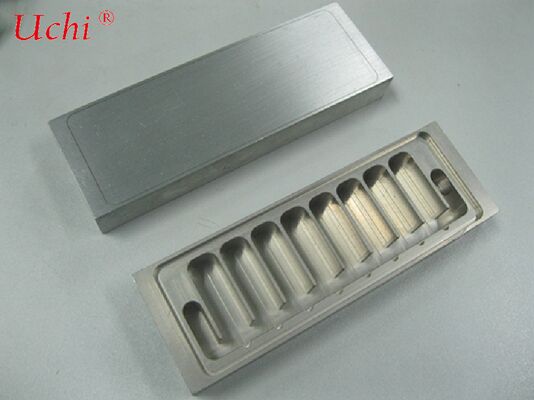
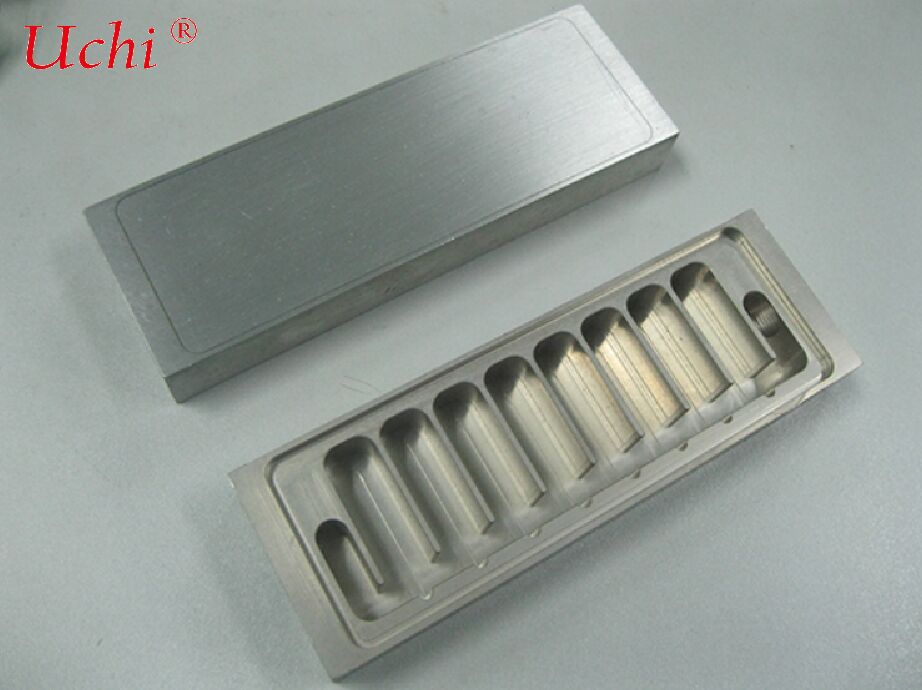
แผ่นเย็นของเหลวที่ใช้เหลวเป็นการระบายความร้อนที่เย็นด้วยเหลว
รายละเอียดสินค้า:
| สถานที่กำเนิด: | ตงกวน, กวางตุ้ง, จีน |
| ชื่อแบรนด์: | Uchi |
| ได้รับการรับรอง: | SMC |
| หมายเลขรุ่น: | แผ่นระบายความร้อน |
การชำระเงิน:
| จำนวนสั่งซื้อขั้นต่ำ: | 100 ชิ้น |
|---|---|
| ราคา: | 1300-1500 dollars |
| เวลาการส่งมอบ: | ไม่ จำกัด |
| เงื่อนไขการชำระเงิน: | T/T, เพย์พาล, เวสเทิร์นยูเนี่ยน, |
| สามารถในการผลิต: | 50000000 ชิ้นต่อเดือน |
|
ข้อมูลรายละเอียด |
|||
| เทคโนโลยีการยึดเกาะ: | FSW ท่อแรงดัน | แรงดันใช้งานสูงสุด: | 10 บาร์ |
|---|---|---|---|
| กระบวนการพิเศษ: | เครื่องจักรกลซีเอ็นซี | ความเรียบของพื้นผิว: | 0.1 มม |
| แหล่งพลังงานความร้อน: | 24KW | ความต้านทานการกัดกร่อน: | ใช่ ด้วยการเคลือบที่เหมาะสม |
| ขนาดบรรจุภัณฑ์เดียว: | 45X40X10 ซม | ขนาด: | ปรับแต่งได้ |
| เทคโนโลยี: | ดัดท่อ | ขนาดกล่องบรรจุภัณฑ์: | 42.5*33*18ซม |
| ระดับ IP: | IP65 | การรักษาพื้นผิว: | การตอกตะปู + การตกแต่งพื้นผิว |
| จำนวนทางน้ำ: | 6 ทางน้ำ | ||
| เน้น: | แผ่นระบายความร้อนด้วยของเหลวแบบประสาน,แผ่นระบายความร้อนที่เย็นด้วยเหลว,แผ่นเย็นระบายความร้อน |
||
รายละเอียดสินค้า
แผ่นเย็นเหลวที่ผสม
A brazed liquid cooling plate is a liquid-cooled heat dissipation plate formed by welding the upper and lower cover plates and the internal flow channels / fins in a high-temperature vacuum furnace using the brazing processมันมีประสิทธิภาพการปิดดีเยี่ยม ช่องทางการไหลที่แม่นยํา ความต้านทานความร้อนต่ําและความต้านทานความดันสูง ทําให้มันเป็นกระบวนการหลักสําหรับแผ่นเย็นของเหลวระดับสูง
I. โครงสร้างพื้นฐาน
โดยทั่วไปประกอบด้วยสามชั้น:
- แผ่นปกด้านบน: ให้การปิด, ผิวหน้าและพื้นที่ติดตั้ง
- ชั้นกลาง: แผ่นช่องทางการไหล / ปีกหมุนเวียน / ปีกปิ้น
- แผ่นปกล่าง: พื้นผิวผูกสําหรับส่วนประกอบที่ผลิตความร้อน
สามชั้นถูกเชื่อมโยงทางโลหะเป็นหน่วยที่บูรณาการ
II. กระบวนการพื้นฐาน: การผสมผสานด้วยความว่าง
- การสร้างแผ่นโลหะ → การเคลือบ / การวางลวดลวดลวดก่อน
- การสต็อปและการวาง → การบรรจุเข้าในเตาผิงหมักหมัก
- ความร้อนสูง (ประมาณ 600 °C สําหรับอะลูมิเนียม)
- เครื่องเติมโลหะสําหรับการผสมเหล็ก
- การเย็นและการปั้นเพื่อสร้างสภาพผสมผสานที่ปิดกันแรงสูง
ข้อดี:
- ไม่มีขุมขวาง ไม่มีข้อหนาว ความแน่นสูงมาก
- ความแข็งแรงในการผสมผสานสูงและความทนทานต่อการกัดกร่อนที่ดี
- สามารถออกแบบช่องการไหลที่ซับซ้อนและแม่นยํา
- พื้นผิวเรียบ เหมาะสําหรับการผูกอุปกรณ์พลังงานสูง
III. ลักษณะสําคัญ
-
ประสิทธิภาพการระบายความร้อนสูงช่องไมโครแคนเนล, ปีกเลื่อนและปีกมีขุมสามารถนําเข้าในชั้นกลาง, ส่งผลให้พื้นที่แลกเปลี่ยนความร้อนใหญ่และความต้านทานความร้อนต่ํา
-
ความต้านทานแรงกดแรงปริมาณความดันแบบมาตรฐาน: 3?? 10 บาร์; รุ่นความดันสูงเกิน 15 บาร์ เหมาะสําหรับการชาร์จเร็ว, การเก็บพลังงานและมอเตอร์ไฟฟ้า
-
การปิดที่น่าเชื่อถือโครงสร้างผสมผสานเต็มที่ โดยมีความเสี่ยงการรั่วไหลเกือบศูนย์
-
ความราบเรียบของพื้นผิวที่ดีเหมาะสําหรับการระบายความร้อนที่ติดตั้งบนพื้นผิวของ IGBTs, โมดูล SiC, อุปกรณ์พลังงาน, แบตเตอรี่แพ็คและองค์ประกอบแบบเรียบอื่น ๆ
-
ส่วนใหญ่ทําจากเหล็กอัลลูมิเนียมมักใช้เหล็กเหล็ก 3003, 5052, 6061 และเหล็กเหล็กเหล็กเหล็กเหล็กเหล็กเหล็กเหล็กเหล็กเหล็กเหล็กเหล็กเหล็กเหล็กเหล็กเหล็กเหล็กเหล็กเหล็กเหล็กเหล็กเหล็กเหล็กเหล็กเหล็กเหล็กเหล็กเหล็กเหล็กเหล็กเหล็กเหล็กเหล็กเหล็กเหล็กเหล็กเหล็กเหล็กเหล็กเหล็กเหล็กเหล็กเหล็กเหล็กเหล็กเหล็กเหล็กเหล็กเหล็กเหล็กเหล็กเหล็กเหล็กเหล็กเหล็กเหล็กเหล็กเหล็กเหล็กเหล็กเหล็กเหล็กเหล็กเหล็กเหล็กเหล็กเหล็กเหล็กเหล็กเหล็กเหล็กเหล็กเหล็กเหล็กเหล็กเหล็กเหล็กเหล็กเหล็กเหล็กเหล็กเหล็กเหล็กเหล็กเหล็กเหล็กเหล็กเหล็กเหล็กเหล็กเหล็กเหล็กเหล็กเหล็กเหล็กเหล็กเหล็กเหล็กเหล็กเหล็กเหล็กเหล็กเหล็กเหล็กเหล็กเหล็กเหล็กเหล็กเหล็ก
IV. การออกแบบช่องทางการไหลของทั่วไป
- ช่องทางการไหลเวียนของสายมังกร: โครงสร้างเรียบง่าย ลดความดันต่ํา
- สเตจเกอร์ / ปาราเลลหลายช่อง: การถ่ายทอดความร้อนแบบเรียบร้อย
- ปีกช่องไมโคร: สําหรับกรณีที่ความหนาแน่นของกระแสความร้อนสูง
- แอรรี่ Pin Fin: การถ่ายทอดความร้อนที่สูงมาก เหมาะสําหรับ GPU / เลเซอร์
V. การใช้งานทั่วไป
- คันพลังงานใหม่: เครื่องควบคุมมอเตอร์, OBC, เครื่องแปลง DC-DC, โมดูล SiC 800V
- การเก็บพลังงานและการชาร์จเร็ว: เครื่องแปลงพลังงานที่เก็บพลังงาน PCS, สถานที่ชาร์จเร็วสุด, การระบายความร้อนสําหรับการชาร์จฉับพลัน
- การควบคุมและพลังงานอุตสาหกรรม: SVG, อินเวอร์เตอร์ไฟฟ้าแสงสว่าง, อินเวอร์เตอร์ความดันสูง
- อุปโตอิเล็กทรอนิกส์และพลังงานคอมพิวเตอร์: ไลเซอร์, เซอร์เวอร์ GPU, ระบบราดาร์
VI. การเปรียบเทียบกับแผ่นเย็นเหลวอื่น ๆ
-
VS การขัดขัดสั่นแผ่นเย็นของเหลว welded:การผสมผสานเหมาะสมสําหรับช่องทางการไหลที่แม่นยําและความหนาแน่นของกระแสความร้อนสูง; การผสมผสานด้วยการคดใช้งานได้ดีกว่าสําหรับขนาดใหญ่และการใช้งานที่มีการไหลสูง
-
vs แผ่นเย็นของน้ํายาที่มีโปรไฟล์ขีดออก:แผ่นผสมผสานให้การออกแบบช่องทางการไหลที่ยืดหยุ่นมากขึ้นและการระบายความร้อนที่แข็งแกร่งขึ้น โดยมีค่าใช้จ่ายสูงกว่า
-
VS ชุดเย็นของเหลวที่ติดในท่อ:ความสามารถในการผูกพันที่ดีขึ้น และความต้านทานความร้อนต่ํากว่า เหมาะสําหรับอุปกรณ์ที่มีพลังงานสูง
ต้องการทราบรายละเอียดเพิ่มเติมเกี่ยวกับผลิตภัณฑ์นี้
